 01
Heating
Auxiliary vs. emergency heat: which heat-pump setting should you use?
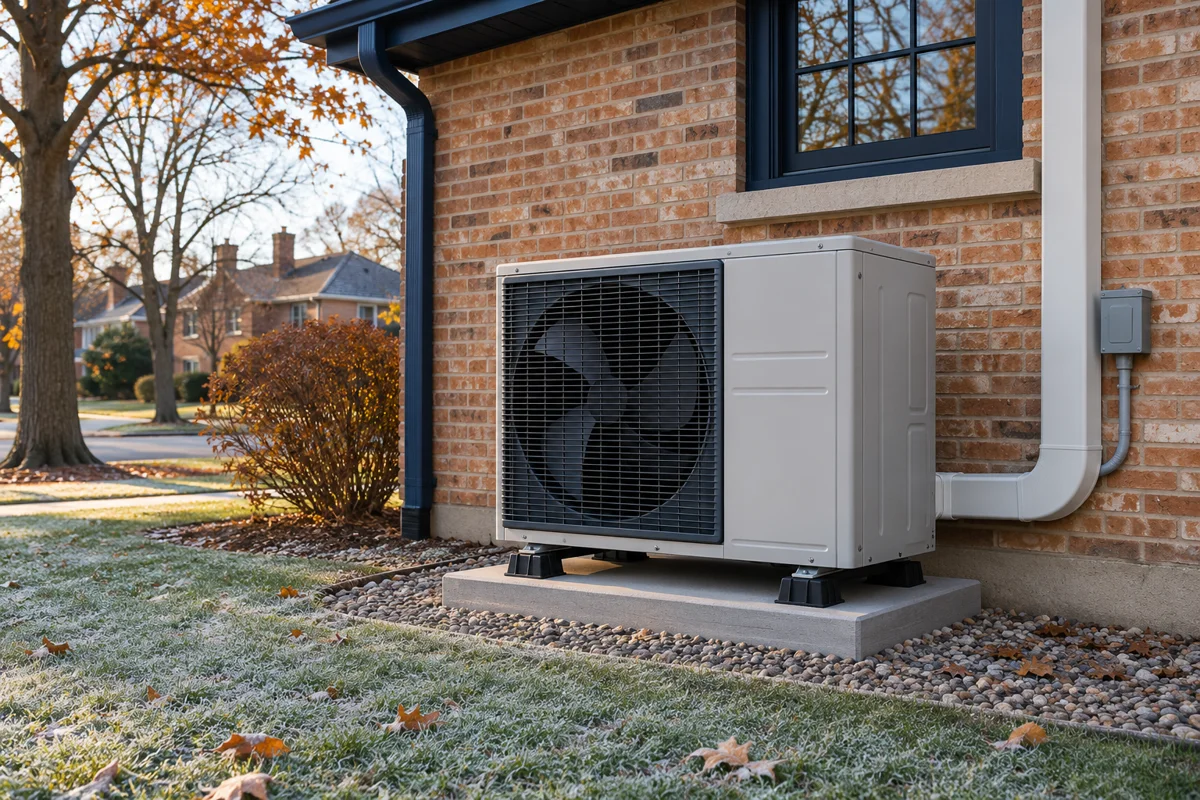
Auxiliary heat is backup heat that the controls can request automatically.
Read the guide14 residential guides and 10 commercial guides for the decisions in front of you. Start with a direct answer, then use the comparisons, checklists and source-backed explanations.
Explore heat pumps, airflow, moisture, installation planning, rooftop systems, restaurant ventilation and office comfort. These guides support informed service decisions; equipment instructions and a property-specific assessment determine the work.
24 guides found
01Auxiliary heat is backup heat that the controls can request automatically.
Read the guide02Long heat-pump run times can be normal in cold weather, especially with variable-capacity equipment.
Read the guide 03
Closing supply vents is not a dependable energy-saving strategy for a typical central forced-air system.
Read the guide04A bedroom that changes comfort when its door closes may have an inadequate return-air pathway, uneven supply airflow, or a room-specific heat loss.
Read the guide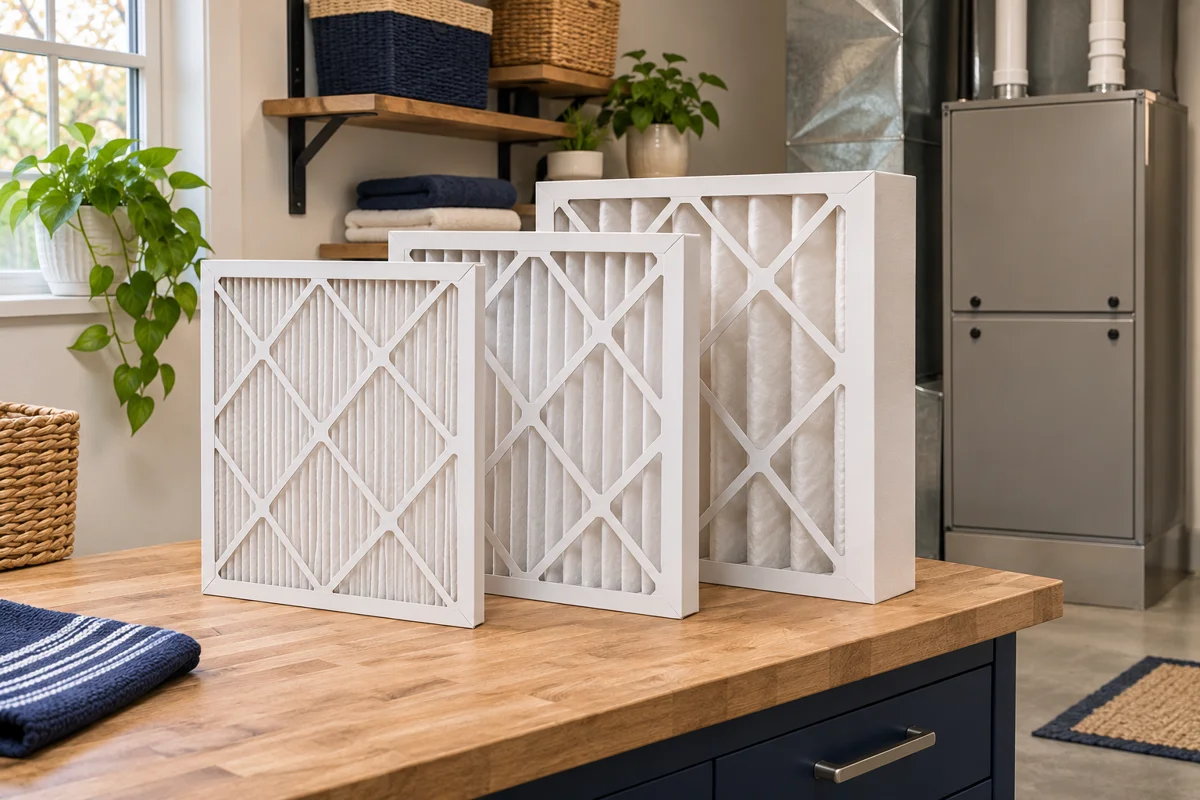 05
Choose the highest useful filtration level your actual blower, filter cabinet and duct system can support.
Read the guide06An ordinary forced-air filter should not be wet.
Read the guide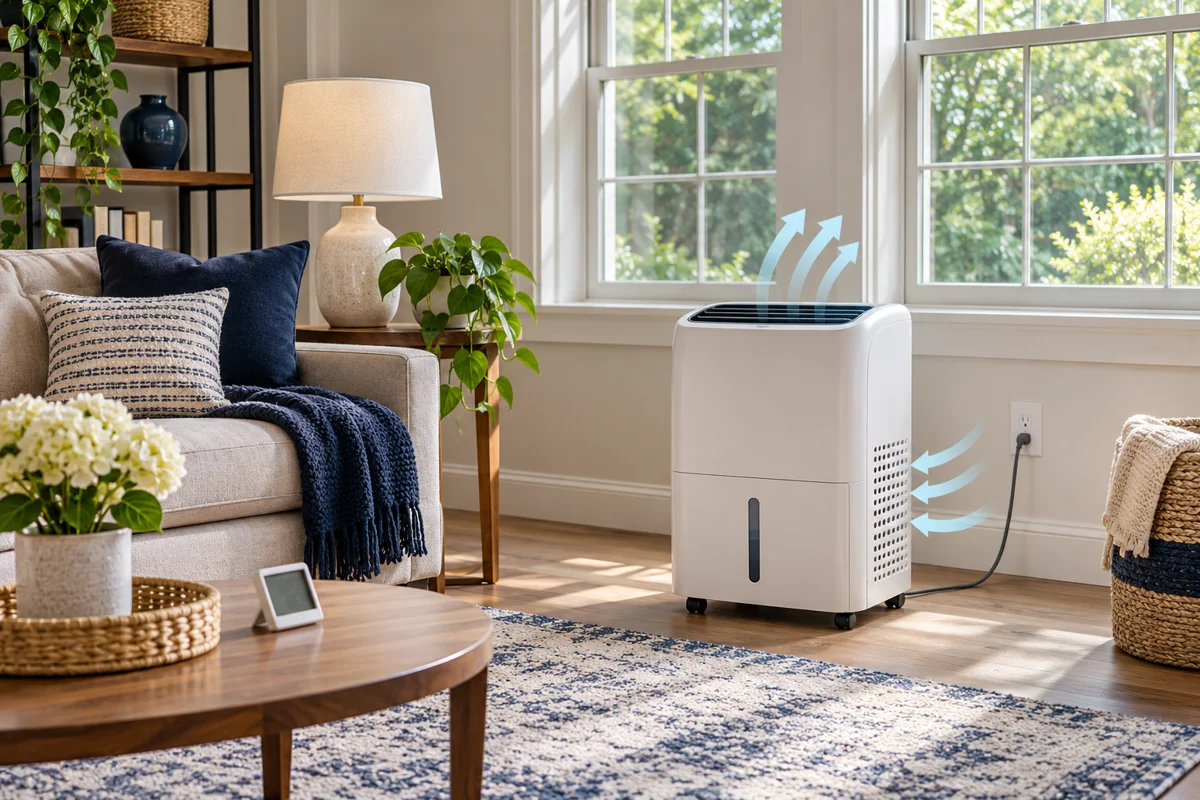 07
A musty odor at AC startup can involve moisture at the coil, drain pan, ducts, filter area or elsewhere in the building.
Read the guide08An AC can satisfy the temperature setting while leaving excess moisture behind.
Read the guide09A dehumidifier addresses moisture when ordinary cooling does not provide enough removal, particularly in mild humid weather.
Read the guide10An HRV exchanges heat between outgoing and incoming air; an ERV also transfers some moisture.
Read the guide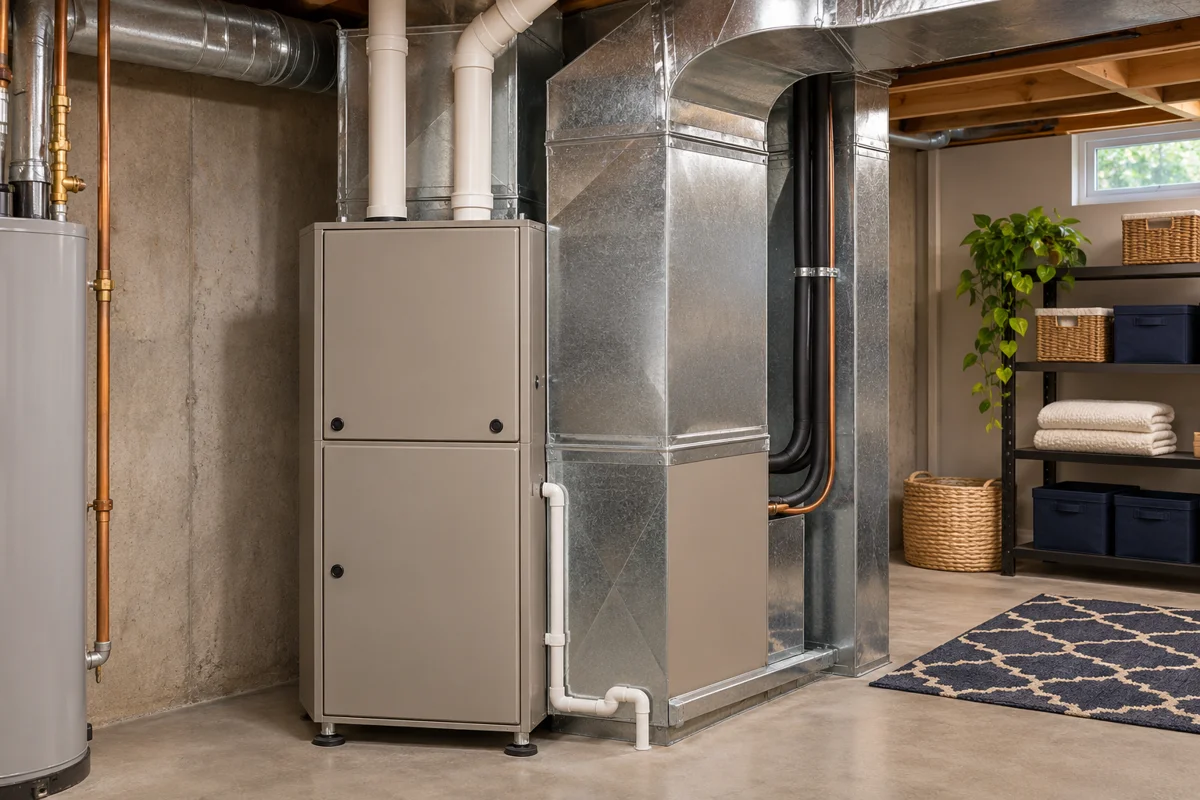 11
After an outage, allow the equipment-specific restart or compressor-protection delay, verify ordinary thermostat settings, and check whether power is stable.
Read the guide12Often you can keep a sound, compatible furnace while replacing the outdoor AC and indoor cooling coil.
Read the guide13A boiler-heated house can add cooling through ductless mini-splits, a new ducted system, or a specialty small-duct design where appropriate.
Read the guide14A mini-split can condition a suitable garage, but capacity should follow the garage heat loss and gain rather than floor area alone.
Read the guide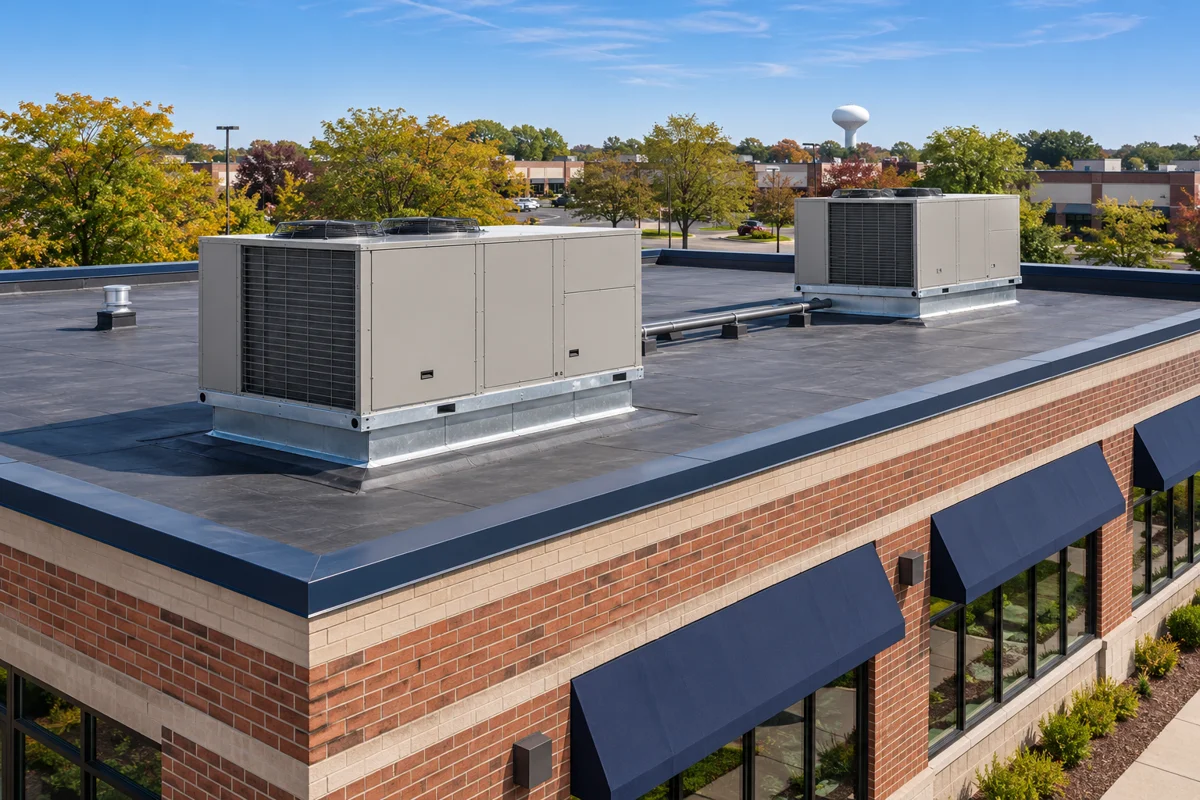 15
Compare a rooftop-unit repair with replacement using the documented fault, unit condition, controls, access costs, expected downtime and future space needs.
Read the guide16A useful commercial maintenance visit follows an asset-specific scope and documents condition, operating measurements, safety findings and recommended action.
Read the guide 17
A door that becomes hard to open when kitchen exhaust runs can indicate an air-balance problem: more air leaves than the building can replace appropriately.
Read the guide 18
Office temperature differences can come from zoning, airflow, schedules, sensors, sunlight, occupancy or altered partitions.
Read the guide19An air-side economizer uses suitable outdoor air to help cool a commercial space, reducing mechanical cooling when conditions allow.
Read the guide20Match HVAC schedules to actual occupancy, required ventilation and building-protection needs.
Read the guide21CO2 trends can help investigate how occupied spaces are ventilated, but a single reading cannot certify healthy air or code compliance.
Read the guide22The responsible party must be established from the actual lease, equipment ownership and property-management arrangements.
Read the guide23Set commercial filter service intervals from manufacturer requirements, operating conditions, inspections and measured pressure drop.
Read the guide24Reduce avoidable downtime by resolving equipment selection, approvals, roof access, lifting, utilities, temporary conditions and startup testing before shutting the existing system down.
Read the guide