 01
Heating
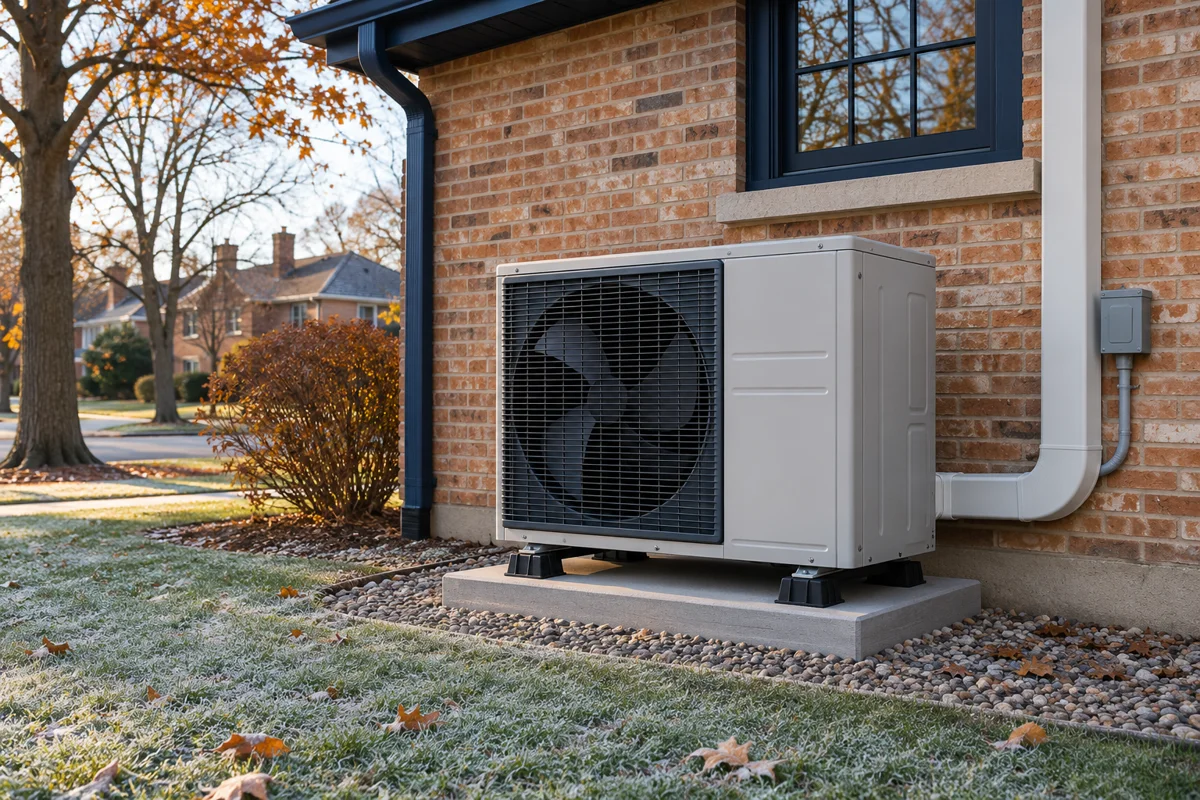
Auxiliary vs. emergency heat: which heat-pump setting should you use?
Auxiliary heat is backup heat that the controls can request automatically.
Read the guideDirect answers for homeowners, business owners and property managers: heating, cooling, air quality, rooftop systems, maintenance and replacement planning.
89 guides found
01Auxiliary heat is backup heat that the controls can request automatically.
Read the guide02Long heat-pump run times can be normal in cold weather, especially with variable-capacity equipment.
Read the guide 03
Closing supply vents is not a dependable energy-saving strategy for a typical central forced-air system.
Read the guide04A bedroom that changes comfort when its door closes may have an inadequate return-air pathway, uneven supply airflow, or a room-specific heat loss.
Read the guide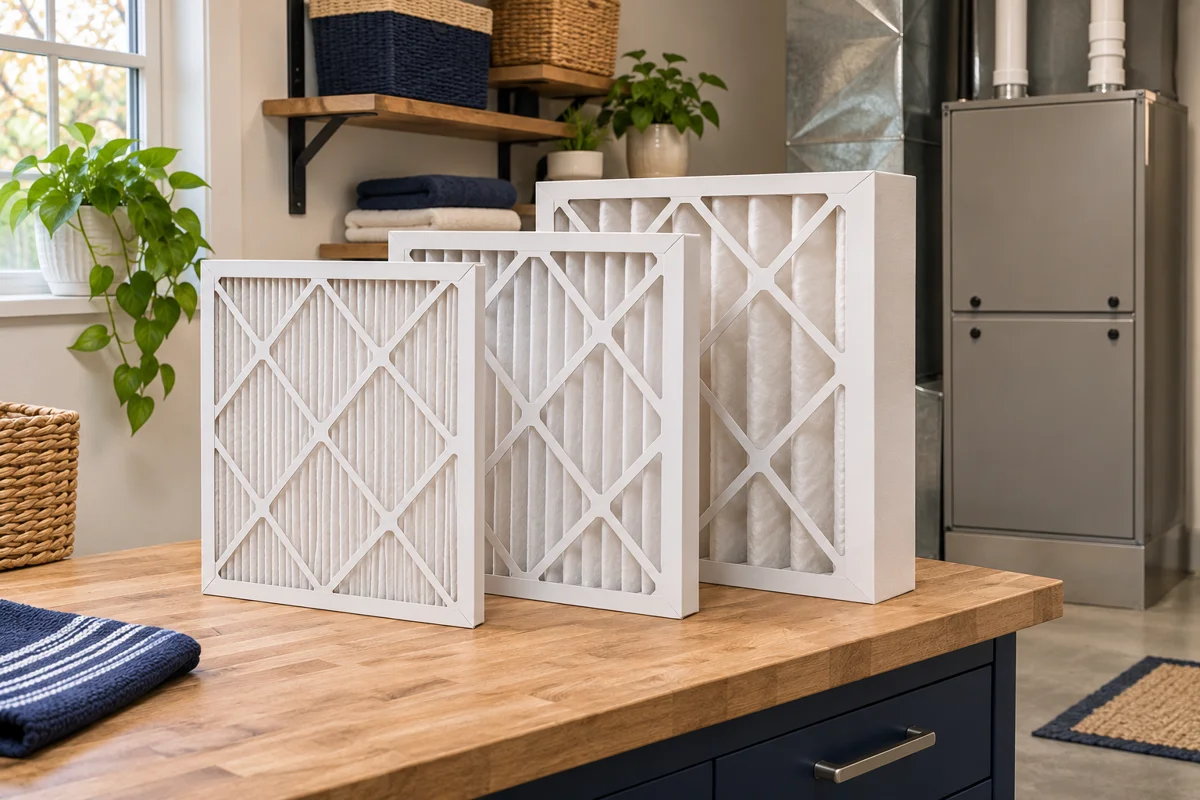 05
Choose the highest useful filtration level your actual blower, filter cabinet and duct system can support.
Read the guide06An ordinary forced-air filter should not be wet.
Read the guide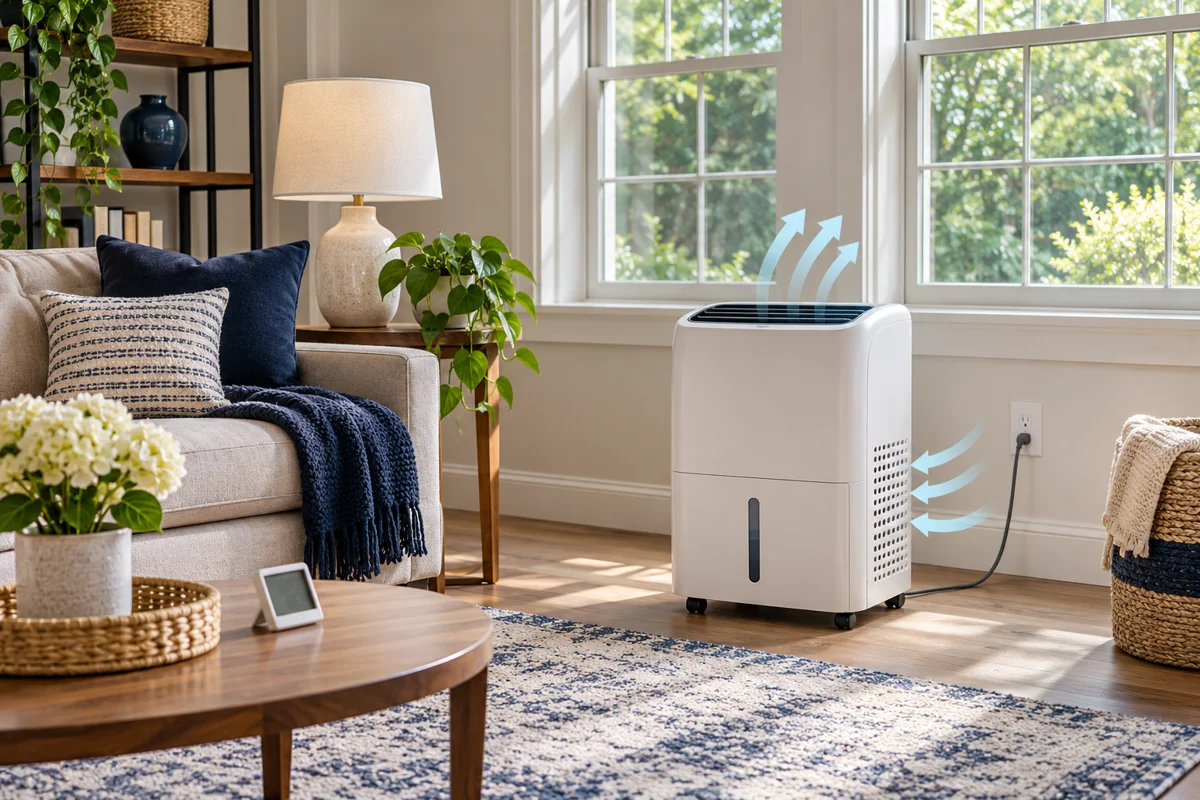 07
A musty odor at AC startup can involve moisture at the coil, drain pan, ducts, filter area or elsewhere in the building.
Read the guide08An AC can satisfy the temperature setting while leaving excess moisture behind.
Read the guide09A dehumidifier addresses moisture when ordinary cooling does not provide enough removal, particularly in mild humid weather.
Read the guide10An HRV exchanges heat between outgoing and incoming air; an ERV also transfers some moisture.
Read the guide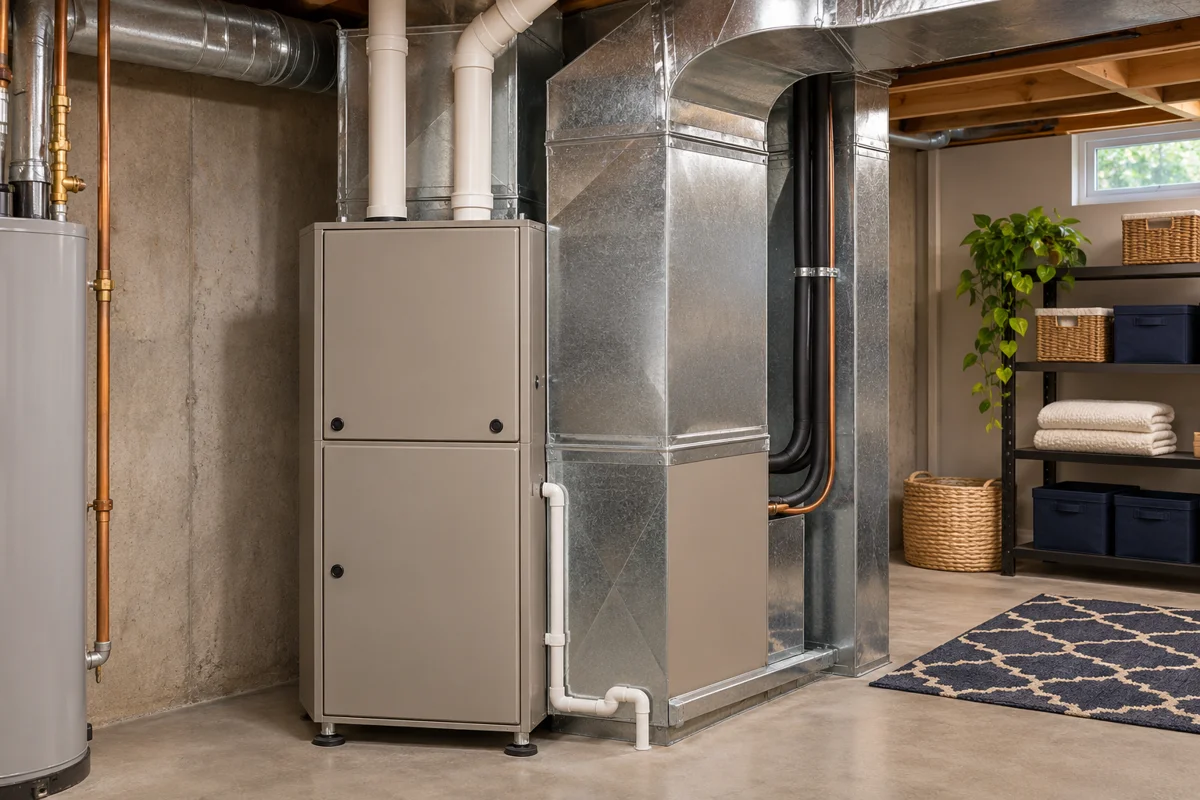 11
After an outage, allow the equipment-specific restart or compressor-protection delay, verify ordinary thermostat settings, and check whether power is stable.
Read the guide12Often you can keep a sound, compatible furnace while replacing the outdoor AC and indoor cooling coil.
Read the guide13A boiler-heated house can add cooling through ductless mini-splits, a new ducted system, or a specialty small-duct design where appropriate.
Read the guide14A mini-split can condition a suitable garage, but capacity should follow the garage heat loss and gain rather than floor area alone.
Read the guide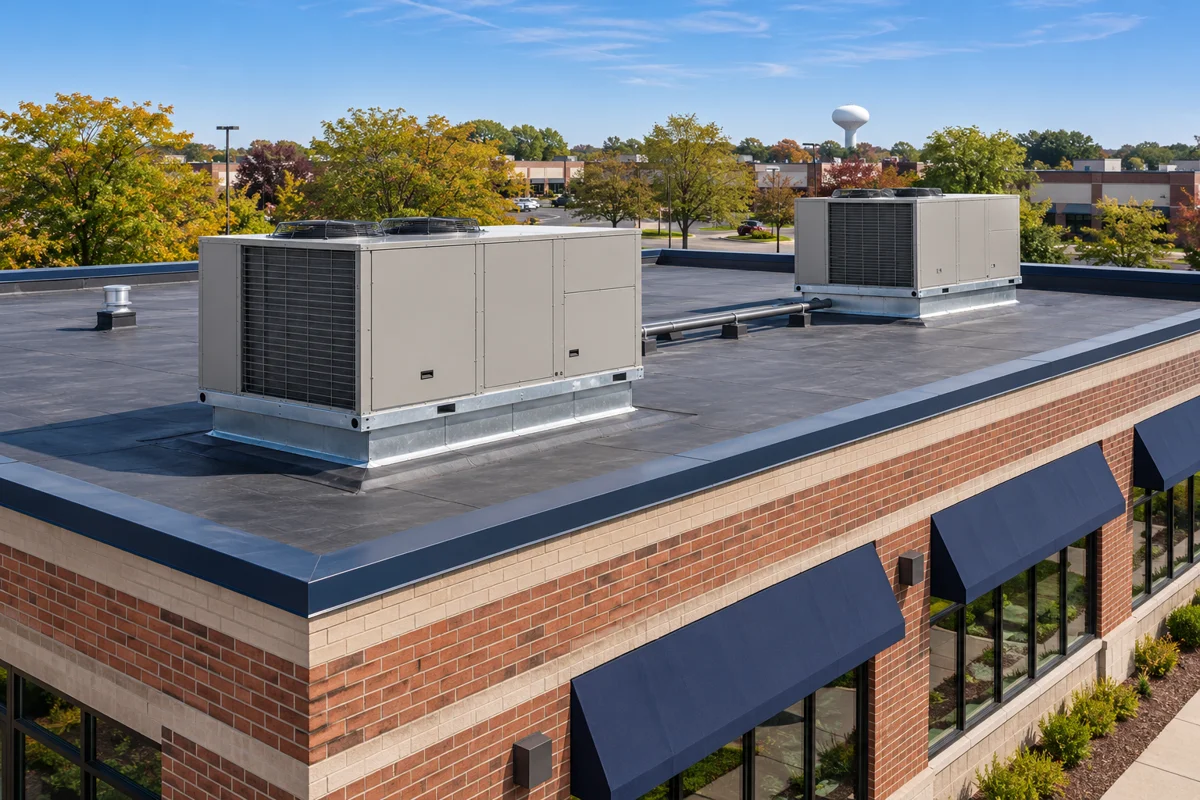 15
Compare a rooftop-unit repair with replacement using the documented fault, unit condition, controls, access costs, expected downtime and future space needs.
Read the guide16A useful commercial maintenance visit follows an asset-specific scope and documents condition, operating measurements, safety findings and recommended action.
Read the guide 17
A door that becomes hard to open when kitchen exhaust runs can indicate an air-balance problem: more air leaves than the building can replace appropriately.
Read the guide 18
Office temperature differences can come from zoning, airflow, schedules, sensors, sunlight, occupancy or altered partitions.
Read the guide19An air-side economizer uses suitable outdoor air to help cool a commercial space, reducing mechanical cooling when conditions allow.
Read the guide20Match HVAC schedules to actual occupancy, required ventilation and building-protection needs.
Read the guide21CO2 trends can help investigate how occupied spaces are ventilated, but a single reading cannot certify healthy air or code compliance.
Read the guide22The responsible party must be established from the actual lease, equipment ownership and property-management arrangements.
Read the guide23Set commercial filter service intervals from manufacturer requirements, operating conditions, inspections and measured pressure drop.
Read the guide24Reduce avoidable downtime by resolving equipment selection, approvals, roof access, lifting, utilities, temporary conditions and startup testing before shutting the existing system down.
Read the guideCompare the diagnosis, complete quotes, operating costs and uncertainty before making a repair or replacement decision.
Read the guideRecord useful symptoms, separate safe observations from service work, and understand why a running fan is not proof of cooling.
Read the guideSeparate safe homeowner observations from ignition-system service, and prepare a useful no-heat request.
Read the guideWhy ice is a symptom, why repeated restarts are not a solution, and which observations help a technician investigate.
Read the guideWhat to do when a CO alarm sounds, why an HVAC visit is separate from emergency response, and how to prepare for follow-up assessment.
Read the guideBuild a filter plan around the actual equipment, filter type, household conditions and inspections instead of one calendar rule.
Read the guideWhy floor area alone is not a complete sizing method, what an assessment should consider, and what to ask in a proposal.
Read the guideA practical heating-season checklist covering records, accessible maintenance, service planning and safe next steps if heat fails.
Read the guideUnderstand equipment selection, installation scope, venting, controls, documentation and questions that make quotes comparable.
Read the guideEvaluate room coverage, unit placement, condensate routing, cold-weather heating and the complete scope of a ductless proposal.
Read the guideUnderstand the design and control questions behind combining a heat pump with a fuel-burning furnace.
Read the guideA source-linked checklist for verifying utility programs, equipment eligibility, deadlines and older federal tax-credit claims.
Read the guideWhat to observe before cooling season, what belongs in a professional visit, and how to keep useful records.
Read the guideInvestigate damp air and window condensation without guessing at equipment.
Read the guideCompare zoning, air balancing and room-by-room comfort before adding dampers.
Read the guideCompare filtration and room air cleaners without treating equipment as a medical cure.
Read the guideCompare furnaces, heat pumps and backup heat using actual heating needs.
Read the guideChoose a comfortable seasonal airflow using your fan's manual.
Read the guidePrepare records, seasonal service and a no-heat plan before severe weather.
Read the guideLook beyond the label to sizing, installed scope and air distribution.
Read the guideProtect airflow and avoid cleaning that damages fins or exposes electrical parts.
Read the guideSeparate normal grille dust from a duct problem before buying cleaning.
Read the guideUnderstand quote scope, borrowing costs and promotional terms before choosing a payment option.
Read the guideUse a room-by-room observation log to investigate airflow, sun exposure and cooling needs.
Read the guideUnderstand the difference between routine homeowner care and an urgent combustion or electrical concern.
Read the guideCompare the heating technology, installation needs and energy prices instead of using 'electric heat' as one category.
Read the guideUnderstand when an insect problem may involve a drain and when plumbing or pest-control help is appropriate.
Read the guideIdentify the model and distinguish Wi-Fi, schedule and factory resets before changing settings.
Read the guideStart with comfort, care and building conditions before buying efficiency upgrades.
Read the guideCheck equipment compatibility, power needs and control setup before choosing a device.
Read the guidePrepare a response for occupants, plumbing and an unattended home when heating fails.
Read the guideFocus on water sources, drainage and appropriate assessment instead of masking odors.
Read the guideEvaluate a room addition or whole-home proposal with realistic expectations for distribution and maintenance.
Read the guideDescribe the sound, location and timing before choosing a repair or sound-control solution.
Read the guideTell normal cold-weather defrost apart from persistent ice, unusual noise and declining comfort.
Read the guideUse condition, findings and installed scope instead of age alone to evaluate the next step.
Read the guideCheck normal user controls and describe symptoms without opening or repeatedly resetting equipment.
Read the guideCompare scheduling, remote access, compatibility and day-to-day operation before upgrading controls.
Read the guideSeparate fuel prices, weather, controls and equipment conditions before deciding what to change.
Read the guideMeet a family-owned heating and cooling business serving Burbank, Oak Lawn and Chicago's south and southwest suburbs.
Read the guideTreat an unfamiliar odor as a reason to act safely, not a reliable refrigerant test.
Read the guideTry low-speed circulation where it improves comfort, and recognize when the room needs another solution.
Read the guideUnderstand condensate problems, what to record and when a leaking cooling system needs attention.
Read the guideUnderstand frequent starts and stops without applying a universal cycle-time rule.
Read the guideSeparate fan operation, startup behavior and loss of heat before requesting service.
Read the guideBuild a comparison that separates weather, rates, household use and equipment concerns.
Read the guideUse sound location, operating stage and a safe recording to explain an AC noise concern.
Read the guideDistinguish display, schedule, network and equipment-response issues without losing configuration.
Read the guideCompare source control, ventilation, filtration and moisture management without medical promises.
Read the guideCompare household demand, fuel, space and installation scope before choosing equipment.
Read the guideDistinguish a silent cooling system from a running system that does not cool, record the start-up behavior and avoid unsafe electrical troubleshooting.
Read the guideA returning electrical interruption calls for professional investigation. Preserve the history without opening panels, changing breakers or restarting the system.
Read the guideDistinguish a changing operating pattern from a confirmed furnace fault, recognize stop signs and prepare a useful short-cycling service request.
Read the guideSeason, operating mode and nearby equipment matter when water appears around a furnace. Avoid wet electrical equipment and leave drain or cabinet work to a professional.
Read the guideRecord room-temperature progress, controls, defrost messages and outdoor observations without changing installer settings or attempting a refrigerant repair.
Read the guideA recurring pressure change needs system-specific investigation. Do not add water, bleed radiators, change valves or use a generic pressure target from another boiler.
Read the guideA dark display can involve batteries, power or a system condition. Check only product-approved homeowner controls and avoid wiring tests or resets.
Read the guideIndoor dripping needs attention even when cooling continues. Protect the area safely, distinguish indoor leakage from outdoor water and leave drainage repairs to service.
Read the guideUnderstand existing-system service, component replacement, eligible older inventory and new-system choices under the current EPA transition rule before comparing quotes.
Read the guidePrepare a practical owner–association–contractor handoff for unit equipment, shared systems, roof access and exterior changes without guessing who pays or authorizes the work.
Read the guideTurn local permit information into a clear homeowner–contractor handoff: describe the work, confirm applications and inspections, compare included responsibilities and retain completion records.
Read the guideDistinguish one cold radiator, an inactive zone and whole-home heat loss. Learn what to record for steam or hot-water boiler assessment.
Read the guideUnderstand diagnostic charges, repair quotes, possible credits and follow-up visits without relying on unsupported local price ranges.
Read the guideEvaluate the contractor, the evidence behind a recommendation and the project handoff, while keeping municipal authorization, technical credentials, insurance and written scope distinct.
Read the guidePrepare for a water-heater assessment with a symptom record, safety boundaries and separate repair and replacement questions for Burbank and Oak Lawn homes.
Read the guide